Sore, red or itchy skin around your stoma is one of the most common issues ostomates face, and it can make your bag harder to stick and more uncomfortable to wear.
The good news is that with the right care, irritated skin usually improves quickly. In this guide, we explain what healthy skin around your stoma should look like, what causes irritation, how to prevent it, and when to speak to your stoma care nurse.
Your nurse may refer to the skin around your stoma as peristomal skin and to be honest, we may need to be a little more vigilant of it, because of the risk of exposure from the stool or urine coming from your stoma.
It is also covered with adhesive most of the time. Thankfully, the adhesive in your stoma bag is designed to support your skin, but it can still get damaged.
Sore skin isn’t the first sign of skin damage. It often starts with a change in colour or itching, but our skin can deteriorate quickly and soon develop more severe problems.
What does healthy peristomal skin look like?
Your skin should be intact and the same colour and texture as the rest of your tummy, while your stoma itself should be red, warm and moist. Your peristomal skin may be a little pink when you first take off the pouch, but that should disappear quickly.
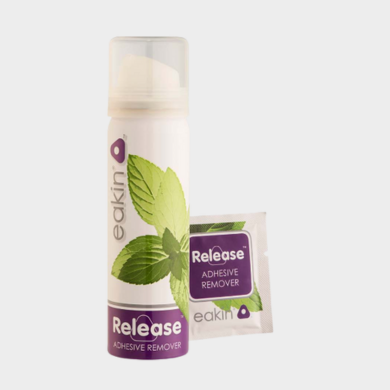
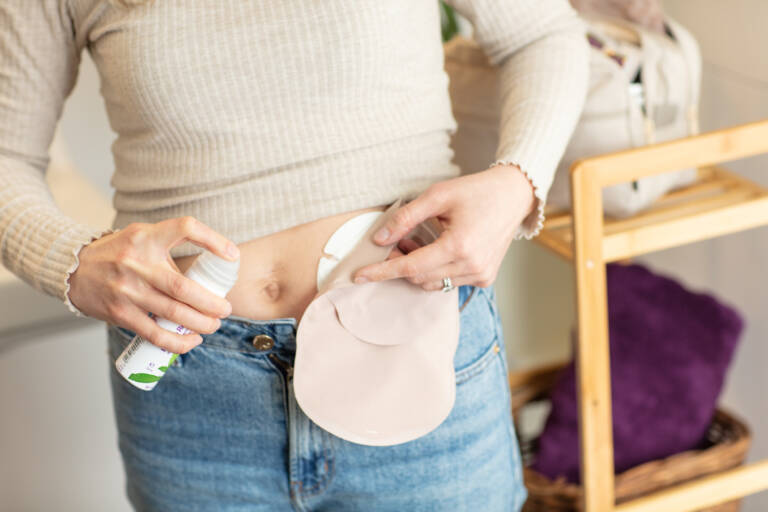
Remember to take the adhesive off as your stoma care nurse recommended, taking your time and using an adhesive spray remover, like Release™ adhesive remover. This will reduce the risk of damage, even if you have a colostomy and must change your bag 2 or 3 times a day.
Once you have a good routine for changing your bag, removing your bag shouldn’t damage your skin.
What causes irritation around the stoma?
One of the most common causes of skin damage around the stoma is stool or urine getting onto your skin. This is usually caused by your stoma appliance leaking.
Sometimes when we think of leaks, we think of the output getting all the way to the edge of the bag, but leaks are any stool or urine getting onto the adhesive that is sticking to your skin.
It’s a good idea to have a look at the back of the bag or flange when you take it off. If you see any output on it, something in your routine might need to change.
Some of the most common causes of leaks include:
- Your routine has changed – this could be changing what you use to clean the skin. We recommend just water and dry wipes; adding extras can leave a residue on the skin, stopping the adhesive from working as well as normal. You may also have simply positioned the bag incorrectly. Having an inspection window on the pouch can be helpful to position the bag, so it sits correctly around the stoma.
- Your body shape may have changed– putting on or losing weight can change where we have creases and folds in the body. These creases and folds can create tunnels for the stool or urine to pass through. You may benefit from a different baseplate such as convex product or by adding in a seal or ring- speak to your stoma care nurse about what is right for you.
- Your stoma size may have changed – over time the size of your stoma can change; most stoma pouch boxes come with a measuring guide. It’s a good idea to get familiar with how to measure your stoma template. Too big and skin can be exposed to stool or urine. Too small and the adhesive will be sitting on the moist stoma.
These are just a few of the causes of leaks, so it’s a good idea to speak to a health care professional about what is right for you.
Other potential causes of damaged peristomal skin
Other causes of skin damage can be:
- Allergies – these are rarer than you might think, however it does happen- a good indicator of an allergy is, discoloured and irritated skin in the shape of the offending product. For example, if you’re allergic to the flange, the irritated area will be in the shape of the flange, or if it’s the ring or seal causing the problem, the area will just cover the shape of the seal.
- Pressure – Some products such as a belt or convex products if worn incorrectly can cause pressure, this often presents as dark blue or painful, broken skin- it’s important to remove any pressure such as a belt and contact your stoma care nurse for advice.
- Dermatitis – especially if your skin is prone to eczema or psoriasis
- Folliculitis– infection/inflammation of hair follicles
We recommend you speak to your stoma care nurse to find the best solution for you if you are concerned about any of the above. Do not hesitate to get in touch if you have any concerns about your skin health.
Our clinical advisor Lucy discussed sore skin around the stoma on an episode of the Beyond The Pouch podcast, which you can watch below:

How to prevent irritated skin around your stoma
Here are some simple steps you can take to help protect the skin around your stoma and avoid irritated peristomal skin.
- Remove your bag gently – take the adhesive off your skin with an adhesive spray remover, like the Release™ adhesive remover, taking your time removing your bag.
- Keep cleaning simple – when applying your bag to the stoma, use just water and dry wipes to clean the skin.
- Position the bag carefully – an inspection window can help you position the bag, so it sits correctly around your stoma.
- Check the back of your bag or flange – look at the back of the bag or flange to check for any output
- Measure your stoma – check the size of your stoma, as it can change in size over time. Being too big, or too small, can impact stoma skin health.
- Review your products if your body shape changes – Putting on or losing weight can create creases and folds that let stool or urine through. A convex baseplate or adding a seal or ring may help, so speak to your stoma care nurse about what’s right for you.
It is important that you speak to your Stoma care nurse if you are concerned about any of the above, to find the best solution for you.
When to contact your stoma nurse about irritated skin
Your stoma nurse is the first person to contact with any concerns about the skin around your stoma. Early advice from a qualified professional can stop small, treatable problems from becoming bigger ones.
Do not hesitate to get in touch if your skin is sore or irritated, if your baseplate opening is too big for your stoma, or if anything else is affecting, or could affect, your peristomal skin. Don’t wait for it to get worse.