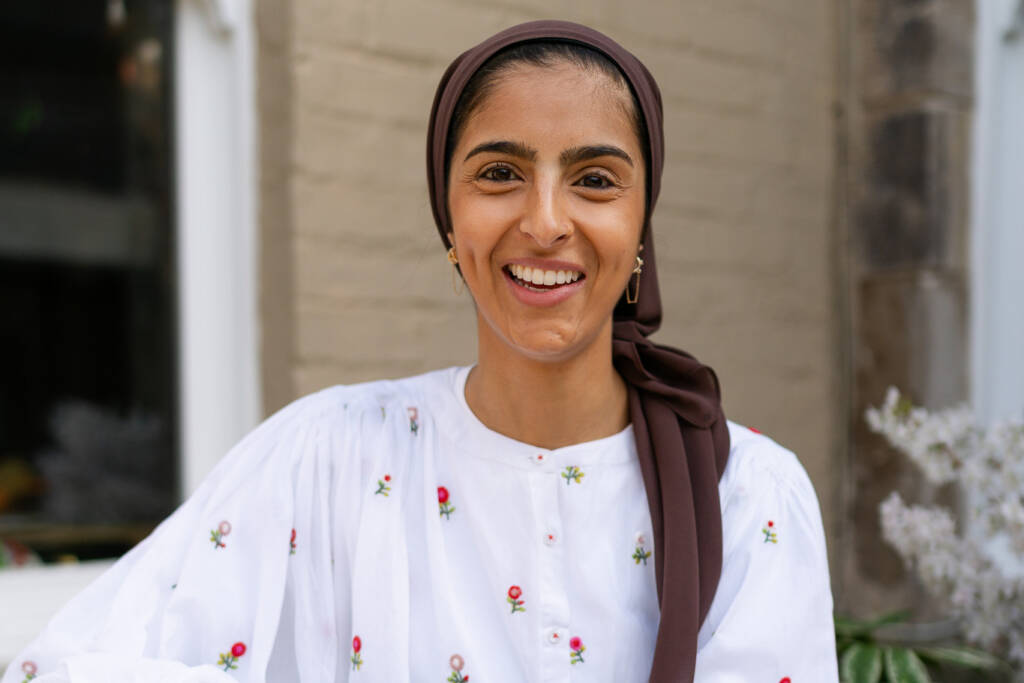
At 17, most teenagers are making big decisions around their education and career. I had no idea that being diagnosed with Crohn’s disease at 17 would shape my future career choice. I now help people with Crohn’s and colitis throughout all stages of their disease, whether they have had surgery, are in a current flare or want to know how to eat well in remission.
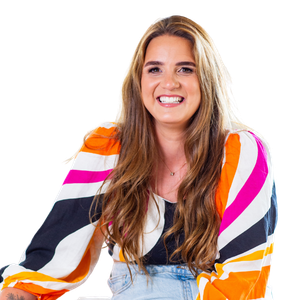
I’m Shehnaz, an HCPC-registered dietitian specialising in inflammatory bowel disease (IBD) and gut health. I’m also someone who has lived with Crohn’s disease since I was 17 and has undergone stoma surgery (ileostomy).
Having experienced healthcare from both sides, as both a patient and a healthcare professional, I’ve learnt that living with IBD and a stoma is about so much more than just managing symptoms. My experiences have shaped not only my relationship with food and my body, but also the way I support others navigating Crohn’s disease, stoma surgery and the challenges that come with living with a chronic illness.
My Crohn’s disease journey
I was just 17 when my gut symptoms began to significantly affect my life. I had started university, and what I initially thought was a stomach bug turned into something that simply wouldn’t go away. I was rushing to the toilet after eating, experiencing pain and losing weight.
Eventually, I reached a point where I felt there were only two foods I could safely eat. Food, something that should have been enjoyable, had become a source of anxiety. After investigations and a hospital admission, I was diagnosed with Crohn’s disease, a form of inflammatory bowel disease.
I remember wondering what this diagnosis meant for my future. Would I ever be able to eat normally again? Did food cause the disease? Do I have allergies or intolerances? But a lot of my questions around food weren’t addressed and I was sent home with generic diet leaflets. So I did what most people do: go into deep-dive research. That led me to start a degree in dietetics.
Living with a stoma
My Crohn’s journey eventually included stoma surgery, and I now live with an ileostomy.
After learning the practical adjustments, I soon realised (once again) that the questions around food were not always addressed. So I went into deep-dive research mode again…
I learnt how to:
- Gradually include foods back into my diet after surgery
- Tweak my diet if I was experiencing certain things like bloating
- Hydrate well with an ileostomy
- Monitor key nutrients I need and make sure I am including enough of them in my diet
Why I became a specialist IBD and gut health dietitian
After both my Crohn’s disease diagnosis and stoma surgery, I had to become my own expert in nutrition. The information simply wasn’t available to me. I wanted to understand my condition better, particularly the relationship between food, nutrition and gut symptoms. But I also wanted to help others who were going through similar experiences.
After qualifying as a registered dietitian in 2013, I went on to work in the NHS, gaining experience in nutrition and digestive health. Over the years, I saw how difficult it could be for people with IBD to access individualised dietary support, particularly when they were struggling with ongoing symptoms or trying to understand what they could eat.
I eventually established my private practice, The IBD Dietitian, to provide specialist, practical and evidence-based nutrition support for people living with IBD and other digestive conditions. My clinical training gives me the knowledge to provide evidence-based advice, but my experiences as a patient have also influenced the way I communicate with and support people. I understand what it feels like when food becomes frightening, when symptoms affect your daily life and when you don’t feel heard.
What living with Crohn’s and a stoma has taught me about food
One of the biggest lessons I’ve learnt is that living with IBD or a stoma doesn’t automatically mean giving up all the foods you enjoy. After my diagnosis, I went through a period of eating an extremely restricted diet because I was frightened of triggering symptoms. Over time, through my training and personal experience, I learnt how to approach food differently.
Today, I can enjoy a much more varied diet, including many foods I once thought I would never be able to eat again. I also know that everyone’s experience is different. What works for one person with Crohn’s disease or an ileostomy may not work for another. Dietary needs can change depending on disease activity, surgery, symptoms and individual tolerance. That’s why I believe personalised nutrition advice is so important.
My advice to someone living with Crohn’s disease or a stoma
If I could share a few things I’ve learnt from my experiences, they would be:
- Don’t assume you need to avoid foods forever. Dietary restrictions may be necessary at certain stages, particularly after surgery or when managing specific complications, but they should be reviewed as your circumstances change.
- Remember that everyone’s experience is different. What someone else can or can’t eat with a stoma doesn’t automatically apply to you.
- Ask questions and advocate for yourself. If you’re experiencing symptoms, struggling with your diet or feeling unsure about your care, you deserve to have your concerns taken seriously.
- Seek specialist support when you need it. A dietitian with experience in IBD and stoma care can help you understand your nutritional needs and build confidence around food.
- Give yourself time to adjust. Adjusting to a new routine with a chronic illness or stoma is both a physical and an emotional process.