
The questions I was too embarrassed to ask about my stoma | by Rachel
Depending on the circumstances surrounding your stoma surgery, you may have a number of questions to ask. When the topic of pooing into a bag is concerned, some may be embarrassing to say out loud.
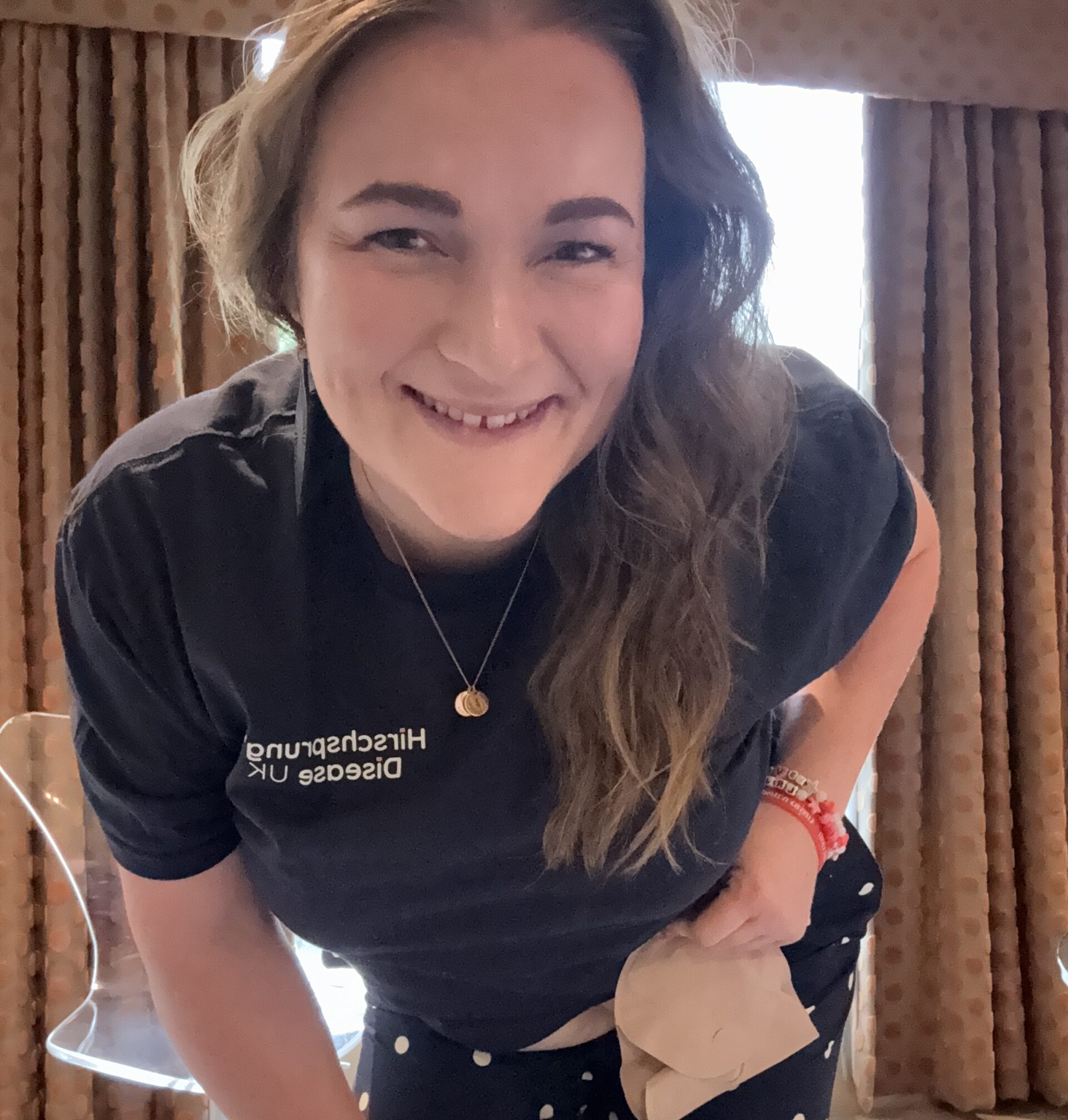
Having a stoma takes its toll on you both mentally and physically. Will it change how you are intimate? Will it affect your relationships? Will you be able to eat the same? What if it doesn’t have the desired result? If your surgery was planned, hopefully you have the space to ask such questions to your medical team pre-surgery. If it was an emergency surgery, you may have never heard of the word stoma, bringing many more questions. Here I share some of my own questions from my own personal perspective.
Will I smell?
Having cared for a child with a stoma already, I knew the answer to this; however, I did question whether I would smell anything having one personally, and whether I would become anxious over it. Thankfully, this should not be the case. If you have a stoma bag that is fitted correctly and works with your body, you should not smell anything. If you have a leak, then you may catch a smell of output. This can sound horrifying to hear but if you toileted the conventional way and had a leak from your bottom, you would smell something similar that way. It should be expected with a leak, but if you are having regular leaks, please don’t accept this as normal – get in touch with your stoma nurse about changing your appliance.
Can I be intimate?
Having such a physical change to your body can create worry and anxiety over this. Stoma surgery can change how you feel in yourself and your confidence. Men, through the podcast I co-host, Beyond the Pouch, have reported difficulties when starting to be intimate again following surgery, and the men’s health special is a very honest and open conversation between the guys about the first time and how they felt.
Culture is changing and as a society we are more open in discussing sexual health than ever before. Everyone has the right to be intimate and feel accepted with or without a stoma, and people can experience difficulties both psychological and physical. It is important to discuss any concerns you have with your medical team to understand what to expect, as these can vary from person to person. Remember that sexual health is a topic not to be embarrassed about.
Will it affect my menstrual cycle?
The space wasn’t made for me to ask about this, and I hear from a lot of women who say the same. Unfortunately, it is something that can change as a result of stoma surgery, and if it is quite significant, it can hit you like a tonne of bricks. For me, my periods became much, much heavier; I have pain and sickness, and it can feel debilitating at times. There was no sign or warning about this, and I felt silly asking the question. Looking back, I can see how wrong I was. As a woman, most will have a period most months, and if that changes, it is a lot to deal with on top of managing your stoma. Those weeks of the month, myself and others openly discuss through social media how cruel it can feel, with lots to juggle. There is support for this so please make sure to reach out for this.
With a loop ileostomy, will I still have output from my bottom?
If you’ve just been told you’re having one of these, it can sound overwhelming so here’s what it actually means in simple terms: a loop ileostomy is where the small intestine is used to form a stoma to divert waste from carrying on out through the anus. It is more commonly known as one of the first stages of having stoma reversal surgery. A new join is made to reconnect the bowel lower down, with the stoma used to allow it to heal, before removing the stoma completely. For me and many others with Hirschsprung’s Disease, it is used even if there is no reversal surgery to have.
As a result of this, you have two openings in your stoma: the proximal end, where poo comes out, and the distal end (otherwise known as the mucous fistula side), which carries on down to the bowel, where mucus produced will leave the anus. You may not technically poo from the bottom anymore, but secretions of mucus and sometimes poo, if you have very high output or an overloaded bag, can feel like you’re managing it from all angles.
Conclusion
Depending on why you came to need your stoma and what the plans for your future health are, your questions may look slightly different. The questions on intimacy, smell and output are usually the most common that people have. Looking at social media groups and using the search functions can bring to light lots of ostomates’ experiences for you to read and take note of. Despite this, remember that people are far more likely to share the negatives they experience than the positives. What everyone shares, who is not medically trained, is life experience and opinion, not fact.
There are lots of positive influences online in the form of Eakin Healthcare’s very own ambassadors, and ostomates who share what having stoma surgery has given back to them in terms of quality of life. Take care with what you take in, and remember that your journey will be your own – and always take medical advice from your team first.
Want to join our ambassador community?
If you’re passionate about making a difference and sharing your story, we’d love to hear from you!
-

-

-

-

-

-
Looking for more advice and real-life experiences?

Keep the conversation going on our podcast, Beyond the Pouch! Hear real stories and honest chats all about life with a stoma.